Sabtu, 22 Oktober 2011

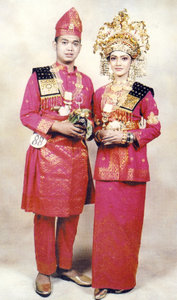
Foto Pakaian Adat Melayu Riau

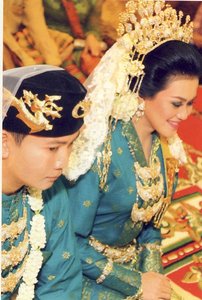
Foto Pakaian Adat Melayu Riau
Adat istiadat tentu tidak terlepas dari Pakain Adat, itu sebuah ciri khas suatu daerah dengan adat istiadatnya sesuai dengan Hukum dan Norma Adat yang berlaku. Berikut beberapa foto pakaian adat, tradisional Melayu Riau. Pakain Adat ini adalah pakaian tradisional Riau, walaupun ada beberapa macam-macam namun hanya satu pakaian adat untuk daerah Riau, yaitu pakaian adat Melayu Riau.


Foto Pakaian Adat Melayu Riau
Foto / Gambar Pakaian Adat, Tradisional Melayu Kabupaten Bengkalis Riau


Foto Pakaian Adat Melayu Riau
Gambar / Foto Pakaian Adat, Tradisional Melayu Tanjung Pinang, Kepulauan Riau


Foto Pakaian Adat Melayu Riau
Foto / Gambar Pakaian Adat, Tradisional Melayu Batam Kepulauan Riau


Foto Pakaian Adat Melayu Riau
Gambar / Foto Pakaian Adat, Tradisional Indragiri Riau


Foto Pakaian Adat Melayu Riau
Gambar / Foto Pakaian Adat, Tradisional Melayu Siak Riau


Foto Pakaian Adat Melayu Riau

Foto Pakaian Adat Melayu Riau
Gambar / Foto Pakaian Adat, Tradisional Melayu Tanjung Pinang, Kepulauan Riau


Foto Pakaian Adat Melayu Riau

Foto Pakaian Adat Melayu Riau

Foto Pakaian Adat Melayu Riau

Foto Pakaian Adat Melayu Riau
Dan inilah foto-foto pakaian adat Melayu Riau lainnya

Sebelumnya, saya meminta maaf. Tentu banyak kesalahan dalam penamaan daerah untuk Foto maupun gambar Pakaian Adat Melayu Riau diatas. Oleh sebab itu saya meminta kritikan saran dari pembaca.


Foto: Berbagai Sumber
post by weblog Wisata Riau

A. COMPONENTS OF TRADITIONAL DRESS OF YOGYAKARTA
1.
Plain Slipper; a type of sandal which front end is pointed and covered with black leather
 
2.
Sheet Bottom (jarik); made with various motifs. Sheet bottom used are decorated with hand painted batik or stamped batik. The motifs being used are regulated based on:
 
a. Predecessor; some motifs are only allowed to be worn by the royal family. They are the parang barong, parang rusak, parang garudo, parang kusumo, parang klithik, parang tuding, and ceplok ksatriyan
 
b. Rank/position; certain officials which are appointed by the King are allowed to wear the same motifs as sentana dalem
 
c. Occasion; every batik motif are best worn for different occasion
 
3.
Kendhit; kind of belt used to hold the bottom to avoid dropping of bottom. Made of folded cloth and formed into a thick yarn
4.
Lonthong; long belt customized to the waistline of the person wearing it. It is usually 13 cm wide. To wear lonthong:
 
- for noblemen : the front is layered with silk
- for general: made of special woven fabric
- for groom: cinde motif
 
5.
Kamus; belt for locking lonthong around the waist. Placed in the middle of the lonthong.
 
- For noblemen, the belt is decorated with ornaments made of gold.
- For general are usually plain
 
6.
Timang (belt head), functions as the lock for the belt (kamus) Can be made from gold, silver, and carved. It is sometimes decorated with diamonds or precious stones.
 
7.
Keris/wangkingan/duwung,
there are two types:
   
- Branggah/ladrangan Keris: usually worn by young men with big and tall body
- Keris gayaman: usually worn by elders
   
8.
Rasukan, consists of:
  -
Surjan (Yogya shirt). The right front of the shirt covers the left front of the shirt so the front part is double layered. In the palace, only the king and his relatives are allowed to wear silk surjan with kembang batu motif. General public are allowed to lurik (stripped) wear surjan.
  -
Peranakan; a type of surjan similar to polo shirt. Usually worn by the king’s servants doing their duties in the palace. The motif is called lu pat and is navy blue black or dark green.
  -
Beskap, a type of surjan with buttons on the middle like shirts. There are two types of beskap: beskap pethak and beskap cemeng. Beskap are worn by regents on garebek, official palace ceremonies and events. Beskap pethak is worn on daytime and beskap cemeng on the evening. If worn by public, usually it shows that they are the host of a wedding (father of the bride).
       
9.
Desthar/blangkon, head scarf which function is to hold the hair to avoid loose hair. Yogya blangkon has a lump on the back. It used to be the cloth covering hair bun. Around the lump, there are wide pieces of cloth called sithingan, a type of sinthingan: kamicucen, nyinthing, njebeh, asu nguyuh, nyekok, kagok, kupu tarung, and ngobis. Ngobis is used for grooms. Batik motifs for blangkon are gadung melati, dan modang, with various colors.
 
B. WEARING TRADITIONAL DRESS
1.
Plain slippers are used first
2.
The sheet bottom, before being worn, diwiru (being folded on one end) three fingers wide for male and two finger wide for female. For Yogya manner, white tip of the sheet is visible. To hold the fold together, the fold on the end is clipped on the right for male, and left for female. For diagonal parang motif, the diagonal faces the opposite direction with the keris.
3.
Kendhit is tied after wearing the bottom to keep the in place
4.
Lonthong is worn over the kendit to cover the kendit and the upper end of the sheet bottom.
5.
Kamus is tied over the longong to lock the lonthong
6.
Timang is placed to lock the kamus (belt).
7.
Rasukan (shirt) is used after the bottom and its accesories are on.
8.
Keris/wangkingan/dhuwung is placed by slipping it into the kamus. The lower end of the shirt will be lifted by the keris.
9.
Blangkon is worn after all other clothing is worn. Blangkon comes in various sizes. Use the size that matches the person’s head.
C. WEARING TRADITIONAL BATIK SHEET FOR BOTTOMS
Before eing worn, the batik sheet is being diwiru (folded on the end) or folded. The sizes of the wiron are
  · 3 fingers wide for male wearer
· 2 fingers wide for female wearer.
For wearing in the Yogyakarta manner, the white margin of the sheet is still visible from the outside. To keep the fold, it is being clipped. It is also to keep the fold neat. Then, the sheet is worn. For male the the sheet wraps the body in the counter clockwise direction. Therefore, the outer end which has the fold will be on the left side. It will be the other way around for female wearer. Specific to sheets with parang motif for Yogya manner, for male wearer, the direction for the parang motif should be in reverse with the direction of the keris. The keris and parang motif should cross each other. For motifs with garuda (eagle), the eagle should stand upright and placed in the middle of the wearer’s back side.
1. WEARING BATIK SHEET FOR MALE

pakaian adat manado menarik perhatian dunia

Pakaian Adat Toraja Menarik Perhatian Dunia


Seoul - Pakaian adat Toraja yang telah dimodifikasi dan dikenakan oleh duta Indonesia dalam ajang Manhunt International 2011 yang digelar di Korea Selatan (Korsel), Johanica Yanuar, menarik perhatian penonton yang berasal dari 48 negara di dunia.

"Banyak pujian yang disampaikan melalui bebeberapa media termasuk website tentang national costume yang digunakan oleh peserta dari Indonesia, Johanica Yanuar," kata Ketua Tim Indonesia yang juga Brand Manager L-Men, Christian Widi Nugraha, di Seoul.

Kontes pria berbakat tingkat dunia, Manhunt International 2011, digelar di Seoul, Korea Selatan, pada 28 September - 10 Oktober 2011 dan malam final digelar pada Senin malam (10/10) di salah satu kawasan elit Seoul.

Hasil survei sebuah komunitas kontes kecantikan dalam lamannya www.indopageants.com pada Minggu malam (9/10) memprediksikan busana nasional yang dikenakan duta Indonesia akan menjadi The Best National Costume.

Wakil Indonesia, Johanica Yanuar (26), yang berpostur tinggi 182 cm itu mengenakan busana rancangan Dynan Fariz - Jember Fashion Carnaval yang bertemakan Mystical Toraja dalam sesi Traditional Costume Parade.

Busana tersebut merupakan modifikasi pakaian adat Toraja seppa tallung buku yang dilengkapi dengan sayap dan tanduk mengesankan kebesaran dan keagungan salah satu kebudayaan Indonesia.

Widi menambahkan, pemilihan busana yang terinspirasi dari budaya Toraja itu juga sekaligus diharapkan mampu menarik perhatian dunia tentang keaneragamanan budaya Indonesia sehingga mereka tertarik untuk datang dan melancong ke Tanah Air.
(H016)

Sumber Artikel: Antaranews.com